
 EU Policy
i2Coalition EU Day of Action in Brussels: Recap
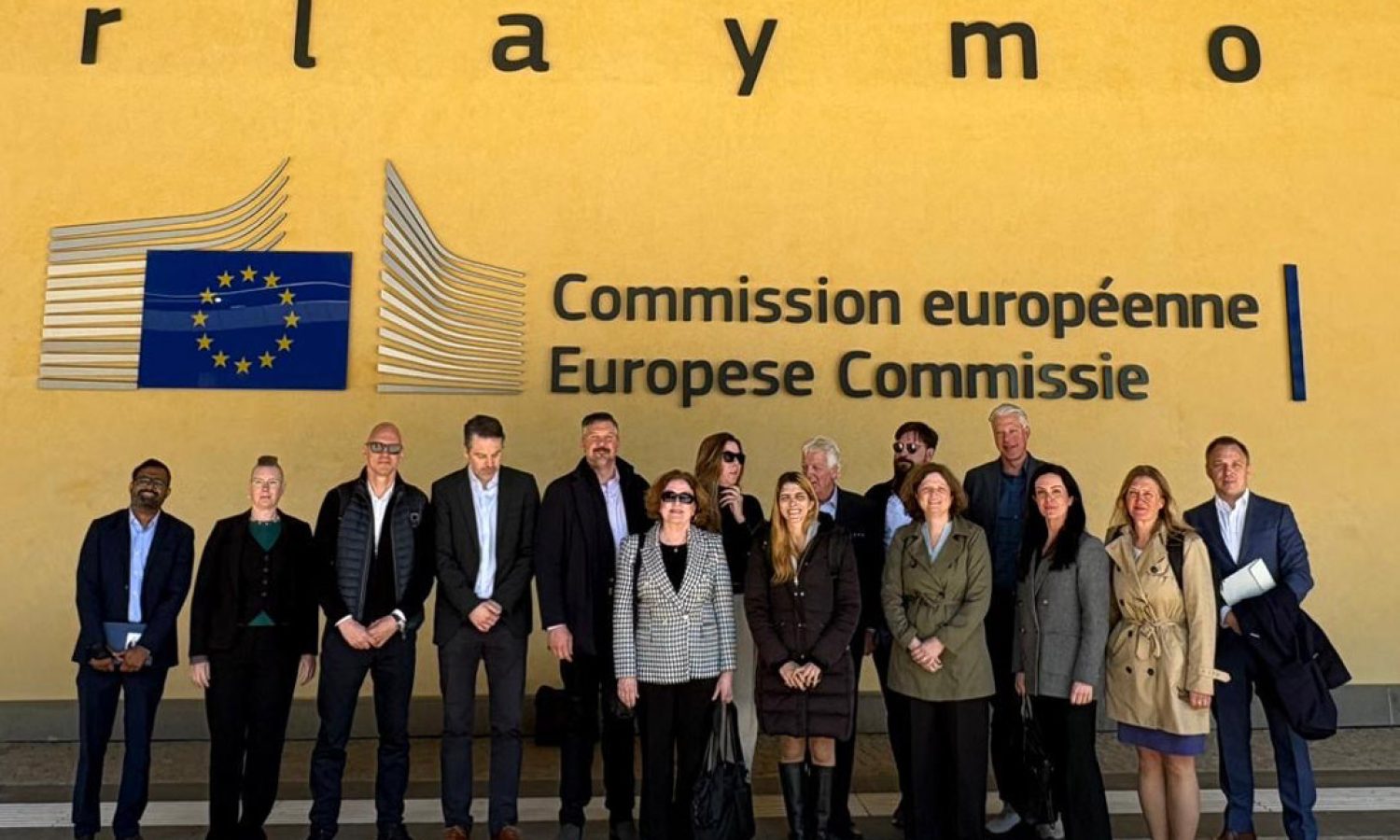
The EU Day of Action in Brussels brought together i2Coalition members, partners, and European Commission officials for two days of engagement focused on network blocking, encryption, data flows, and broader questions of Internet resilience. The combination of formal and informal settings allowed us to both build relationships and engage substantively on policy.
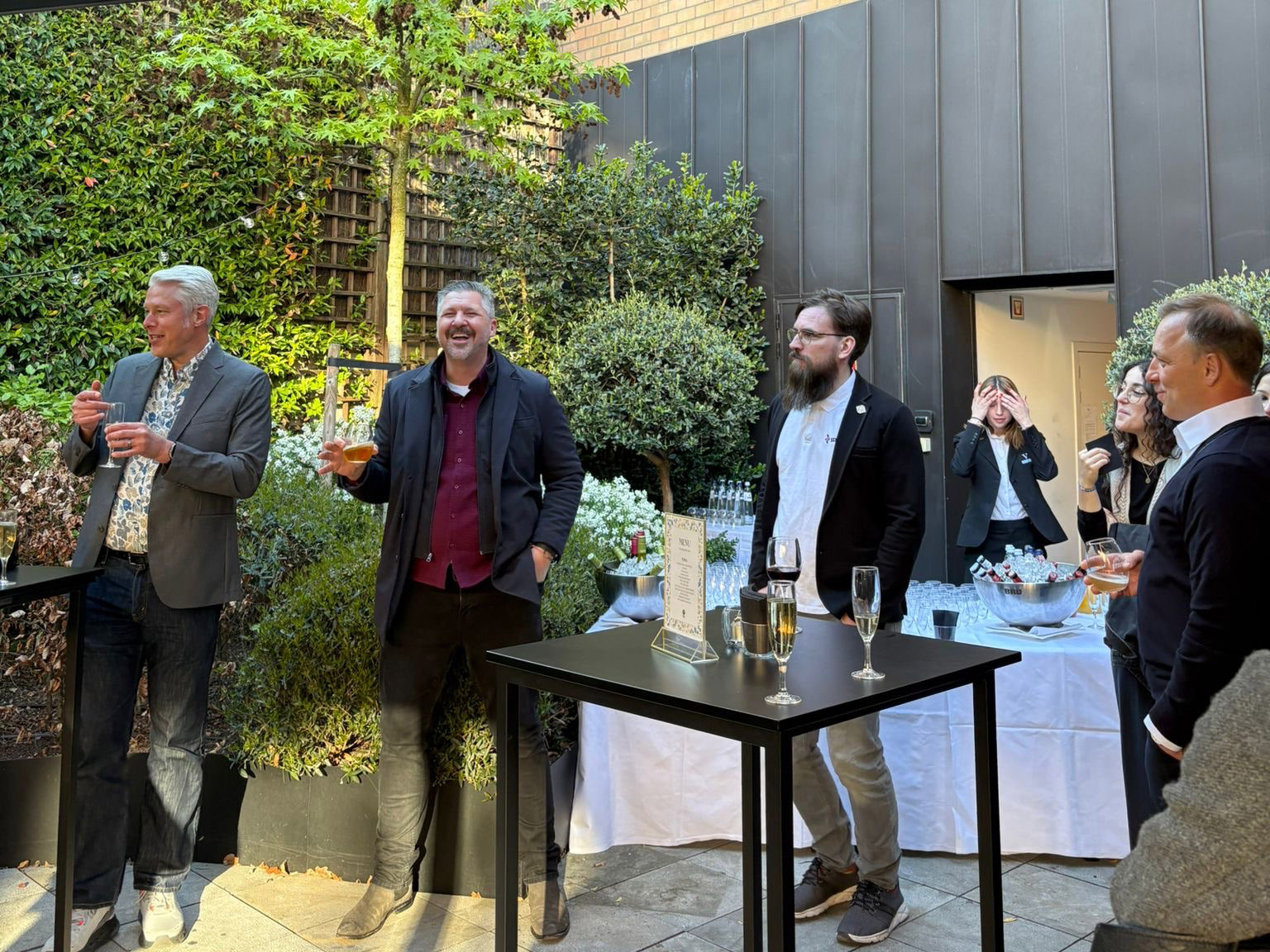
Day One: Welcome Reception
We opened with an evening reception at Le Louise Hotel Brussels, which set the tone for the day ahead. It was a beautiful spring evening, and the garden setting created a relaxed environment for conversations to flow.
We had a strong mix of attendees, including i2Coalition members, partners, and a number of Brussels-based colleagues and stakeholders. That local presence made a real difference: rather than feeling like a visiting delegation, the group felt integrated into the Brussels policy community, which helped ground the conversations.
More importantly, the reception gave people the chance to connect ahead of the meetings, put faces to names, and establish a level of trust that carried into the next day. The conversations were thoughtful and forward-looking, not transactional. It was a strong start and a reminder of how valuable these informal moments are in shaping more productive policy discussions.
Day Two: Commission Meetings
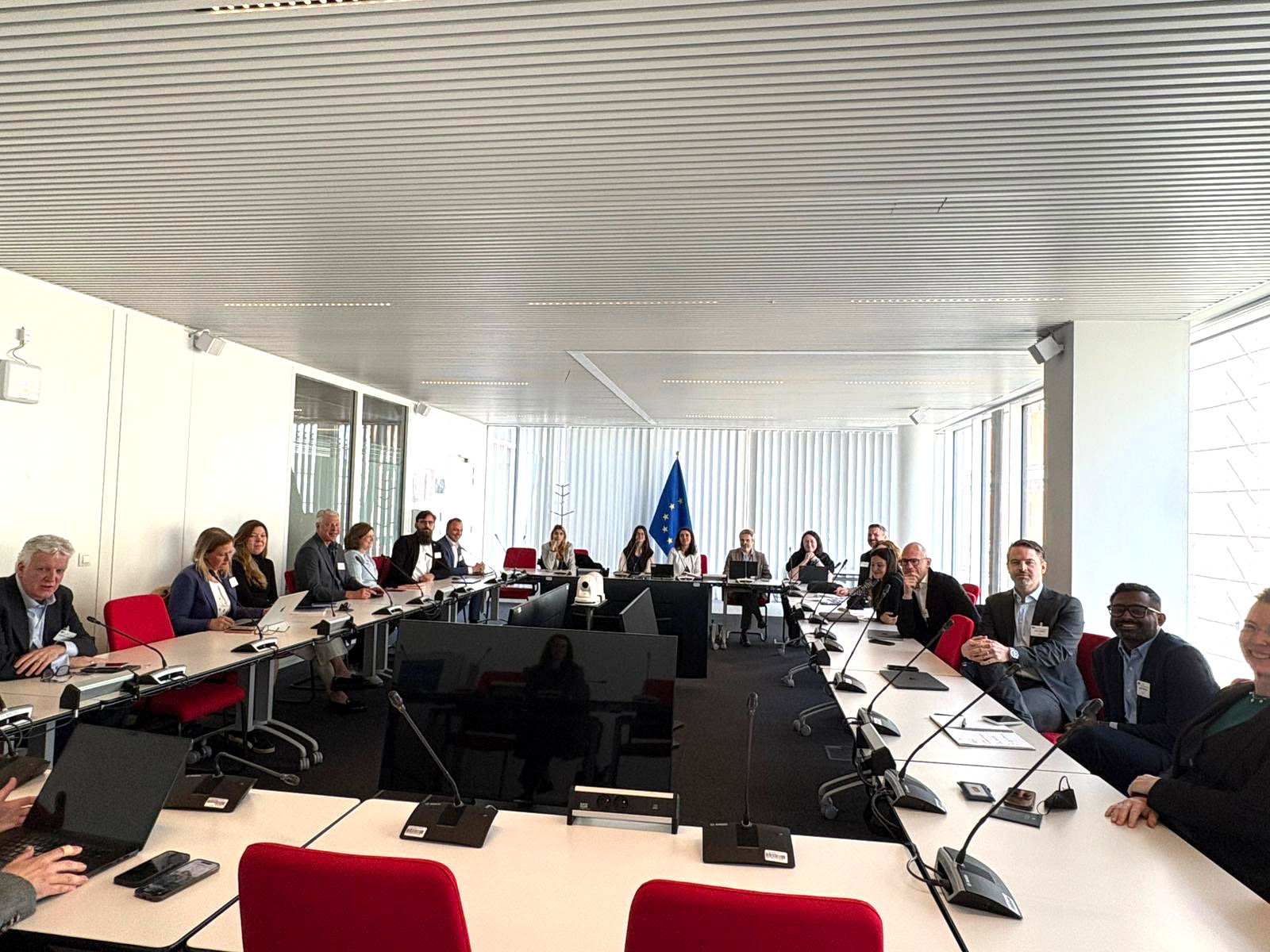
The following day saw a full schedule of meetings across the European Commission, with coordination support from Political Intelligence.
We engaged with officials from DG JUST, DG CNECT, and the Cabinet of Commissioner Magnus Brunner. We covered a consistent set of themes: the risks and realities of network and DNS-level blocking, the importance of encryption and secure data flows, and the broader tension between digital sovereignty initiatives and the need to preserve a global, interoperable Internet.
These conversations were also rooted in the EU’s current policy framework. We spoke directly about how our issues intersect with the EU’s Digital Decade goals, as well as ongoing and emerging legislative efforts such as the Digital Networks Act and the Cybersecurity Act. This helped anchor our input not just as abstract concerns, but as relevant to the direction the EU is actively shaping.
These conversations were consistently productive. Policymakers came prepared, asked detailed questions, and were clearly engaging with the technical and operational realities we brought forward. In particular, there was meaningful dialogue around how enforcement mechanisms work in practice, and where well-intentioned policies can introduce systemic risk or unintended consequences.
At the same time, these meetings were not just about delivering messages. They were an opportunity to listen. We gained useful clarity on how different parts of the Commission are approaching these issues, where there is alignment with our perspective, and where more work will be needed to bridge gaps.
What We Accomplished
We had strong participation from across the industry, which reinforced the credibility of the engagement and ensured that a range of operational perspectives were represented.
The meetings themselves struck the right balance between technical depth and policy relevance. We were able to clearly articulate i2Coalition’s positions on network blocking, encryption, and Internet resilience, while also adapting those messages to the priorities of each audience.
Just as importantly, we made real progress on relationships. New connections were established, existing ones were strengthened, and there is now a clearer path for follow-up engagement. These are the kinds of interactions that build long-term influence.
What We Learned
A few themes emerged over the course of those two days.
There is still a need to consistently translate technical concepts into policy language. The issues we are working on are understood in principle, but the real-world implications, particularly around DNS and network-level interventions, benefit from continued explanation and concrete examples.
The structure of the Day of Action worked well. Starting with an informal reception and moving into a focused set of meetings created a natural progression from relationship-building to substantive engagement.
Finally, the value of being present in Brussels cannot be overstated. These conversations build over time, and maintaining a consistent, credible presence will be key to advancing our priorities in the European policy environment.
Our first EU Day of Action was a success: we combined strong participation, productive meetings, and meaningful relationship-building with a clear set of policy messages. It was also, quite simply, a series of perfect spring days in Brussels, which did not hurt.
The setting helped, but more importantly, the engagement itself was substantive and forward-looking. We left with stronger relationships, clearer insight into the policy landscape, and a solid foundation for continued work in the months ahead.